
Top Tips for Choosing the Best Classroom Carpet for Schools

Time:2026-08-20 Author:Ethan
0%

Choosing the right classroom carpet is crucial for creating an engaging learning environment. A suitable classroom carpet can enhance comfort, reduce noise, and even inspire creativity. However, selecting the best option may seem daunting. With so many choices on the market, it is important to evaluate various factors before making a decision.

When considering a classroom carpet, texture and durability are key. A carpet that feels good underfoot can encourage students to sit comfortably. Additionally, it should withstand heavy foot traffic and daily cleaning. Take time to explore different materials. You might find one that meets your specific needs better than others.

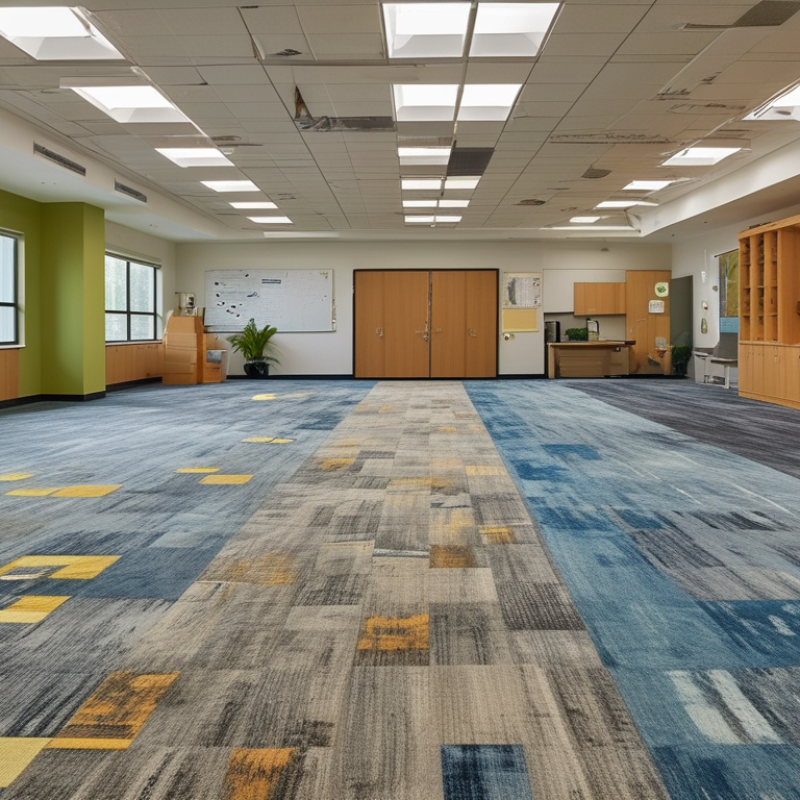
The right design can also play a role in stimulating young minds. Bold colors and patterns can draw attention and facilitate learning. However, there’s a balance to strike. Too busy a design may become distracting. Reflecting on your current classroom setup can help you make the right choice and create an optimal learning space for students.
Top Tips for Choosing the Best Classroom Carpet for Schools

Key Considerations for Selecting Classroom Carpets in Educational Settings

Choosing the right classroom carpet is essential in educational settings. Several key considerations can guide this process. First, think about safety. Carpets must be non-toxic and flame-retardant. They should also have a non-slip backing. This helps prevent accidents when students walk or play.

Next, durability is crucial. Classrooms experience heavy foot traffic and spills. A good carpet should resist stains and wear. Look for materials that can withstand daily use while maintaining their appearance. It’s also wise to consider maintenance. Some carpets are easier to clean than others. A low-maintenance option can save time and effort for teachers.

Color and pattern matter too. Bright designs can stimulate young minds. However, too many colors can be distracting. Strive for a balance that enhances the learning environment without overwhelming students. Additionally, think about how the carpet feels underfoot. A comfortable texture can encourage students to engage more during lessons. Keep these factors in mind to make an informed choice.

Types of Carpet Materials Suitable for School Environments

Choosing a classroom carpet involves understanding various materials suited for school environments. Different carpet materials offer distinct benefits. For instance, nylon is durable and resilient. It can resist stains well, making it ideal for high-traffic areas. However, it can also be easily damaged by sharp objects or heavy furniture.

Olefin is another popular choice due to its moisture-resistant properties. This makes it suitable for areas where spills may occur. It is lightweight and can take vibrant colors well, adding life to the classroom. However, it may not withstand heavy wear as effectively as nylon. The texture may wear down faster, leading to a need for earlier replacement.

Wool carpets provide luxury and comfort. They can help regulate temperature and provide sound insulation. However, they require more maintenance and can be costly. Not every classroom can afford to invest in wool, which may limit its use. Each material has pros and cons, demanding careful consideration based on the classroom's unique needs.

Top Tips for Choosing the Best Classroom Carpet for Schools - Types of Carpet Materials Suitable for School Environments

Carpet Type Material Durability Stain Resistance Maintenance Level
Nylon Carpet Nylon High Moderate Low
Polyester Carpet Polyester Medium High Moderate
Olefin Carpet Olefin Low High Low
Wool Carpet Wool Very High Moderate High
Rubber Backed Carpet Tiles Rubber High Very High Very Low

Factors Influencing Carpet Durability and Maintenance in Classrooms

When selecting a classroom carpet, durability and maintenance become crucial factors. School environments are bustling with activity. Carpets endure high foot traffic daily. Therefore, it’s essential to consider fiber types. Synthetic fibers can offer more resilience than natural ones. Understanding fiber options helps in making informed decisions.

The carpet's backing is another key aspect. A solid backing can prevent wear and tear, increasing longevity. Regular cleaning practices are vital. Stains from spills can quickly become permanent if not addressed. A carpet that allows for easy cleaning can save time and effort for maintenance staff.

Color and design choices can also impact maintenance. Light colors may show dirt quickly, leading to frequent cleaning. On the other hand, darker patterns may hide stains better. It’s a balancing act between aesthetics and practicality. Educators should reflect on these elements to ensure the best choice for their classrooms.

Design and Aesthetic Aspects of Carpets for Educational Spaces

When selecting carpets for educational spaces, design and aesthetics play crucial roles. A classroom carpet is more than just a surface; it shapes the environment. Bright colors can stimulate creativity, while softer hues create a calm atmosphere. Choosing a pattern can be tricky. Bold designs can be distracting, especially in spaces intended for focus. Striking a balance is essential.

Functionality must also blend with design. Carpets should withstand heavy foot traffic. Selecting durable materials is key. It ensures longevity amidst the daily hustle of students. Textures can influence comfort. A soft carpet invites children to sit, read, and engage. However, it must be easy to clean. Spills happen, and a practical approach is necessary.

Reflecting on personal experiences can offer insights. Have you ever noticed how a carpet changes a room's feel? It’s easy to overlook. Flooring can impact behavior, stimulating learning or causing restlessness. Thoughtful design choices can enhance educational experiences. It might require trial and error, but the impact is worth it.

Safety Standards and Environmental Impact of Classroom Carpets

Choosing classroom carpets is more than just aesthetics. Safety standards are crucial. The American Society for Testing and Materials (ASTM) provides guidelines for carpets used in schools. These standards cover flammability, slip resistance, and indoor air quality. Carpets must be made from materials that do not emit harmful VOCs. Studies show that low-VOC carpets improve air quality, which is vital for students' health.

The environmental impact of classroom carpets cannot be overlooked. According to the Carpet and Rug Institute, modern carpets can be made from recycled materials. This helps reduce waste in landfills. Yet, not all carpets are created equal. Some synthetic fibers contribute to plastic pollution. When carpets are disposed of, they can take hundreds of years to decompose. Educators should consider how to recycle or repurpose carpets at the end of their life cycle.

Additionally, the durability of classroom carpets matters. Frequent cleaning and foot traffic can wear them down quickly. Regular maintenance is necessary to ensure longevity. Unfortunately, many schools overlook this aspect, leading to premature replacement. Balancing safety, environmental impact, and durability is essential when selecting classroom carpets.

FAQS

: What materials are commonly used for classroom carpets?

: Nylon, olefin, and wool are popular choices. Each material has unique benefits and drawbacks.

Why is nylon a preferred choice for classrooms?

Nylon is durable and stain-resistant. However, it may get damaged by sharp objects.

What are the advantages of olefin carpets?

Olefin is moisture-resistant and lightweight. It comes in vibrant colors but wears down faster than nylon.

How do wool carpets benefit classrooms?

Wool provides comfort and sound insulation. However, it requires maintenance and can be costly.

What factors influence carpet durability?

Fiber types, backing quality, and cleaning practices are crucial. Synthetic fibers tend to be more resilient.

How does color impact carpet maintenance?

Light colors may show dirt quickly, needing frequent cleaning. Darker shades can hide stains better.

What safety standards should classroom carpets meet?

Carpets must adhere to standards for flammability and indoor air quality. Low-VOC options are important.

Why consider the environmental impact of carpets?

Some carpets are made from recycled materials. However, synthetic fibers can contribute to pollution.

How can schools prolong carpet life?

Regular cleaning and maintenance are necessary. Neglect can lead to premature wear and expensive replacements.

What should educators reflect on when choosing carpets?

A balance between safety, environmental impact, aesthetics, and durability is essential for classrooms.

Conclusion

When selecting a classroom carpet for educational settings, several key considerations come into play. It's important to evaluate the types of carpet materials that are suitable for school environments, ensuring they can withstand the daily wear and tear typical in classrooms. Durability and maintenance factors also significantly influence the longevity and upkeep of the carpet, making it essential to choose materials that are easy to clean and maintain.

Moreover, the design and aesthetic appeal of classroom carpets can enhance the learning environment, contributing to a welcoming and engaging atmosphere for students. Lastly, adhering to safety standards and considering the environmental impact of the chosen carpets is crucial to promote health and sustainability within educational spaces. Thoughtful selection of classroom carpets not only improves functionality but also fosters a positive learning experience.

Ethan

Ethan

Ethan is a seasoned marketing professional with a deep expertise in our company's innovative product line. With a passion for sharing knowledge and insights, he takes the lead in regularly updating our corporate blog, where he explores industry trends, product features, and effective marketing......